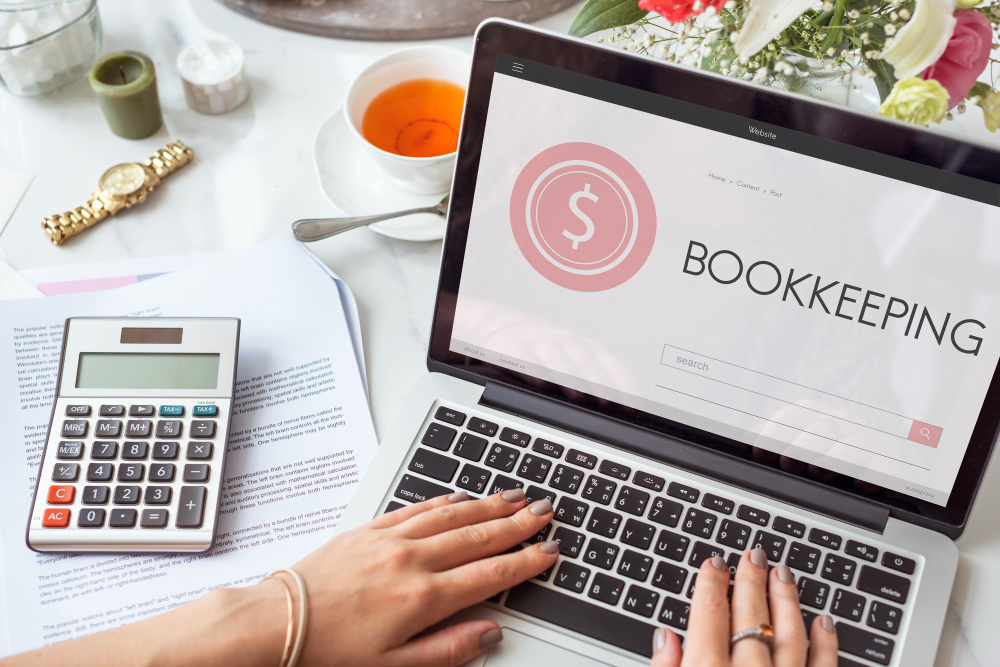
Efficient bookkeeping is an essential part of running a business. It allows you to keep track of your finances, maintain accurate records, and ensure compliance with local regulations. Singapore is a country with strict financial regulations, so efficient bookkeeping is especially important for businesses operating there. In this blog, we'll discuss some tips for efficient bookkeeping in Singapore.
Use Accounting Software
Using accounting software is a great way to streamline your bookkeeping process. There are several options available, such as Xero, QuickBooks, and Wave. These tools help automate tasks like invoicing, bill payments, and reconciliation, which saves you time and minimizes errors. They also allow you to access your financial data from anywhere and generate reports easily. With accounting software, you can also track expenses and revenues in real-time, giving you a clear understanding of your financial situation.
Set Up A Bookkeeping System
Setting up a bookkeeping system is critical to efficient bookkeeping. A bookkeeping system should include processes for tracking income and expenses, maintaining receipts and invoices, and reconciling bank accounts. Having a bookkeeping system in place helps you stay organized and saves you time when it comes to preparing financial reports. It also helps you to identify potential issues early on and take corrective action before they become major problems.
Keep Your Records Up To Date
Keeping your records up to date is crucial to maintaining accurate financial records. Make it a habit to record all transactions promptly and ensure that all bank and credit card statements are reconciled at least once a month. This not only helps you to track your finances but also helps you to identify potential issues early on. Having up-to-date records also makes it easier to prepare financial statements and tax returns.
Separate Personal and Business Finances
It's important to keep your personal and business finances separate. This means having separate bank accounts and credit cards for your personal and business expenses. This not only simplifies bookkeeping but also helps to protect your personal assets in case of any legal issues. Keeping personal and business finances separate also makes it easier to track business expenses and claim deductions during tax season.
Stay Compliant with Local Regulations
Singapore has strict regulations when it comes to financial reporting and taxation. As a business owner, it's essential to stay compliant with these regulations to avoid penalties and legal issues. Make sure you are familiar with the requirements and deadlines for financial reporting and taxation, and seek professional help if necessary. Failure to comply with local regulations can result in heavy fines, legal issues, and damage to your business reputation.
Hire A Professional Bookkeeper or Accountant
If you're not comfortable with bookkeeping or don't have the time to manage it yourself, consider hiring a professional bookkeeper or accountant. They can help you set up your bookkeeping system, maintain your records, and prepare financial statements and tax returns. This not only saves you time but also ensures that your financial records are accurate and compliant with local regulations.
In Conclusion,
Efficient bookkeeping is essential for the success of any business in Singapore. By following the tips we've discussed, you can streamline your bookkeeping process, maintain accurate financial records, and stay compliant with local regulations.
Remember to use accounting software, set
up a bookkeeping system, keep your records up to date, separate personal and
business finances, and seek professional help if necessary. With efficient
bookkeeping, you can focus on growing your business and achieving your goals.
Also Read – Advantages of Outsourced Accounting Services for Small Businesses
Comments
Post a Comment